Bad Witch Hat Broom Halloween Embroidery Review
As an embroidery designer who spends countless hours curating digital assets for my own shop and client work, I approach every new download with a mix of excitement and skepticism. The market is flooded with designs, but few possess the specific character needed to elevate a handmade product from a simple craft project to a premium commercial item. Recently, I evaluated the Bad Witch Hat Broom Halloween Embroidery file from Creative Fabrica to determine if it deserved a spot in my seasonal collection. After running several test stitches and visualizing its application on various substrates, here is my honest assessment of how this design performs in real-world scenarios.
First Impressions and Design Personality
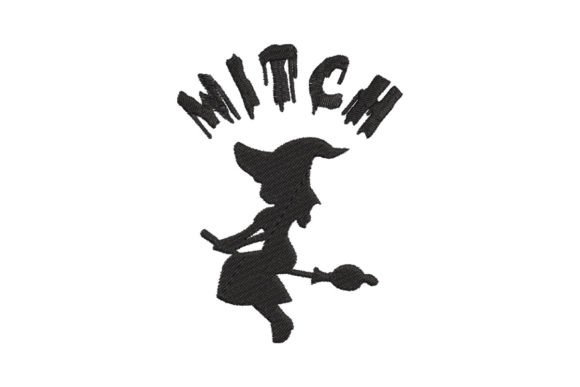
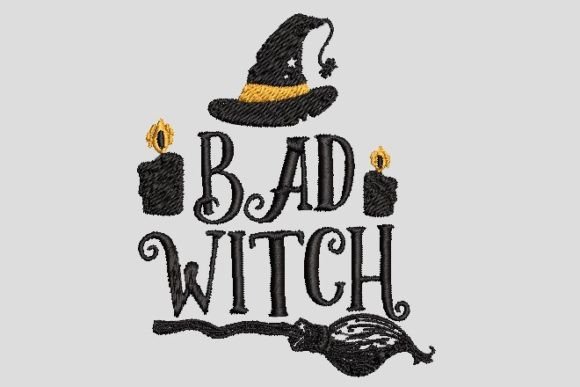
The moment I opened the file, the mood was immediately established. This is not a generic pumpkin or ghost; it captures the whimsical, slightly mischievous spirit of modern Halloween aesthetics. The visual composition of the bad witch hat paired with the broom offers a strong focal point that works exceptionally well for small to medium-sized projects. Unlike some designs that feel cluttered or overly complex, this piece maintains a clean silhouette that translates beautifully across different stitch types.
The stitching personality feels intentional. It balances decorative flair with structural integrity. When I examined the breakdown of the file, I noticed a smart use of satin stitches for the outlines of the hat and the broom bristles, which provides that crisp, professional edge essential for high-end finished products. The fill areas appear dense enough to cover the fabric completely without looking bulky, a crucial factor when designing for apparel where comfort matters as much as style. For a designer looking to create a cohesive brand identity, this design offers a distinct look that stands out in a crowded marketplace.
Performance Across Diverse Projects
One of the primary reasons I evaluate designs like the Bad Witch Hat Broom Halloween Embroidery is their versatility. In my experience, a single design asset should be able to serve multiple revenue streams. This file demonstrates excellent adaptability for custom apparel, including sweatshirts, tote bags, and aprons. The proportions are forgiving enough to look great centered on a black hoodie or balanced on the side of a canvas tote bag.
I also considered its potential for home decor and nursery items. While the theme is spooky, the art style is playful rather than frightening, making it suitable for baby blankets, kitchen towels, and pillow covers intended for parents who enjoy subtle seasonal touches. For Etsy sellers and craft fair vendors, this design has significant value. It can be used to create a line of coordinated goods—perhaps matching mom-and-baby outfits or a set of embroidered patches for denim jackets. The design's clarity ensures it remains legible even when scaled down for smaller accessories like caps or pin-backs.
When thinking about commercial embroidery products, the file holds up well. Whether you are producing limited-run boutique merchandise or creating printable mockups for pre-orders, the vector-like quality of the stitches suggests a polished final result. This consistency is vital for building buyer trust; customers expect their personalized gifts to look professional, and a sloppy stitch job can damage a brand's reputation before it even launches.
Practical Considerations for the Hoop
While the artistic vision is clear, the technical execution requires careful planning. As a designer, I always advise checking the hoop size requirements before committing to a large production run. If your machine setup is limited to smaller hoops, you may need to adjust the placement strategy or split the design, though this file appears optimized for standard 4x4 or 5x7 inch frames.
Stitch density is another critical factor. Dense stitch areas can cause puckering, especially on stretchy fabrics like jersey or lightweight cotton blends often used for t-shirts and baby clothes. To mitigate this, using a proper stabilizer is non-negotiable. A cut-away stabilizer is generally recommended for these types of Halloween-themed garments to ensure the design holds its shape after repeated washing. If you plan to embroider on dark fabric, you must select thread colors that offer sufficient contrast; otherwise, the details of the hat and broom may get lost against the background.
For textured fabrics like terry cloth on kitchen towels or the napped surface of a fleece sweatshirt, the needle penetration needs to be precise. I recommend testing the tension settings on a scrap piece first. Additionally, if you intend to use this for curved surfaces like baseball caps, pay close attention to the underlay stitches. Without adequate underlay, the satin stitches might pull or distort on the curve, ruining the symmetry of the witch hat. Always inspect small details after stitching to ensure the bristles of the broom and the trim of the hat are sharp and defined.
Elevating Product Value and Presentation
In the world of handmade goods, presentation is everything. A well-executed design like the Bad Witch Hat Broom Halloween Embroidery significantly impacts perceived value. When a customer receives a tote bag or a patch that features crisp, professional stitching, they perceive the item as a premium gift rather than a mass-produced trinket. This design allows you to command higher price points because it signals craftsmanship.
Furthermore, this file supports brand consistency. If you are building a seasonal collection, having a signature design that ties together your product line—from aprons to aprons to nursery decor—helps create a memorable shopping experience. It also enhances product photography; a well-stitched design catches the light and adds texture to photos, making them more engaging for social media and online listings. For creative entrepreneurs, this means better engagement and higher conversion rates.
Final Verdict and Usage Tips
Overall, the Bad Witch Hat Broom Halloween Embroidery file is a solid addition to any designer's library. It strikes a balance between fun and functionality, making it a versatile tool for both hobbyists and serious business owners. However, success depends on preparation. Before selling finished items, I strongly advise reviewing the specific file details and licensing terms on the Creative Fabrica product page to ensure you have the right permissions for commercial use.
To get the best results, follow these practical steps:
- Test on scrap fabric: Always run a test stitch on the same material you plan to use for the final product.
- Check thread color contrast: Ensure the thread palette pops against your chosen fabric color.
- Review stitch density: Adjust settings if necessary to prevent fabric distortion.
- Confirm hoop size: Verify the design fits your machine's capabilities.
- Use proper stabilizer: Select the correct weight and type for your fabric.
- Inspect small details: Zoom in on the stitched sample to check for missed jumps or loose threads.
If you are looking to expand your Halloween inventory with a design that offers charm, quality, and commercial viability, this file is worth downloading. By paying attention to the technical nuances of stabilization and thread selection, you can turn this digital embroidery file into a stunning physical product that delights customers and strengthens your handmade brand.