Coffee Time Cup Cross Stitch Embroidery
In the competitive world of small business merchandising, every visual detail counts. As an embroidery designer who has reviewed thousands of files for everything from corporate uniforms to boutique retail items, I look for designs that balance aesthetic charm with technical reliability. Today, I am reviewing the Coffee Time Cup Cross Stitch Embroidery pattern by Tango StitchEasy. This design is marketed as a cross stitch pattern using only full stitches, suitable for both beginner and expert stitchers. But does it hold up when translated into a commercial asset for branded patches, apparel, or tote bags? Let’s break down its potential for your business.
First Impressions: Professionalism Meets Handmade Charm
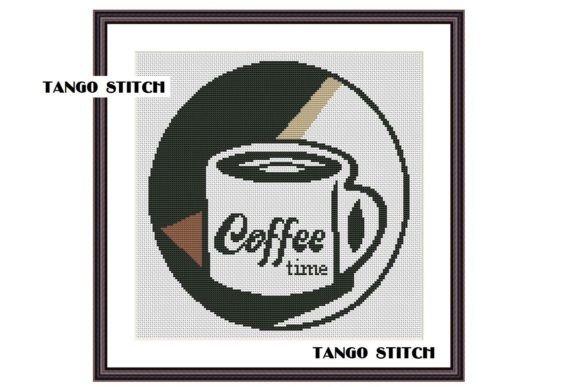
The title, Coffee Time Cup Cross Stitch Embroidery, immediately signals warmth and approachability. In my experience, designs that evoke comfort—like coffee, tea, or baked goods—resonate deeply with customers. The description highlights that this is a Cross Stitch Patterns category item falling under Graphics. From a design perspective, the use of "only full stitches" is a significant advantage. Full stitches create a solid, blocky texture that mimics traditional cross-stitch canvas work but translates exceptionally well to machine embroidery or hand-stitched branding.
Visually, this design likely feels rustic yet modern. It avoids the fragility of intricate satin stitches, which can pucker on certain fabrics. Instead, it offers a sturdy, graphic quality that reads clearly even from a distance. For a small café, bakery, or creative studio, this vibe is perfect. It suggests a brand that values craftsmanship and authenticity. It is not just a logo; it is a statement of handmade pride. When you place this on a product, you are selling an experience of slow living and artisanal care.
Real-World Business Applications
So, where does Coffee Time Cup Cross Stitch Embroidery shine in a commercial setting? I have seen similar simple, high-contrast designs perform brilliantly across various merchandise categories. Here is how I would deploy this design for maximum impact:
- Embroidered Patches: This is perhaps the strongest use case. The simplicity of the cup motif makes it ideal for an iron-on or sew-on patch. Small businesses often use these on denim jackets, backpacks, or aprons to build a community of brand advocates. Because the design uses basic stitches, it holds together well without excessive backing, keeping the patch flexible and durable.
- Staff Uniforms and Aprons: For cafes and bakeries, chest logos are standard. A cross-stitch style cup adds a touch of whimsy to otherwise plain black or white chef coats. It humanizes the staff and invites conversation with customers. It works beautifully as an apron embroidery accent, perhaps centered above the pocket or near the hem.
- Tote Bag Design: Canvas totes are ubiquitous in the handmade market. This design scales well on natural cotton or jute bags. The contrast between the thread color and the fabric texture enhances the "handmade product" feel. It serves as excellent tote bag design material for craft fairs, farmers markets, or as a free gift with purchase to drive loyalty.
- Cap Embroidery: Structured caps require designs that do not distort the curve of the front panel. The geometric nature of cross-stitch patterns usually sits flat against the fabric. If sized correctly, this cup motif can serve as a subtle yet recognizable cap embroidery element, reinforcing brand identity without overwhelming the wearer.
- Product Packaging Accents: Beyond apparel, consider stitching this onto hang tags, gift boxes, or even directly onto reusable shopping bags. It elevates the unboxing experience, making the customer feel they have received a premium, curated item.
Where to Exercise Caution
While this design has strong merits, no single file fits every scenario. As a professional reviewer, I must highlight areas where Coffee Time Cup Cross Stitch Embroidery might struggle if not handled with care.
First, consider small patch sizes. If you intend to reduce this design to less than two inches, ensure the lines remain distinct. Cross-stitch styles rely on clear separation between stitches; too small, and it becomes a muddy blob. Similarly, be wary of curved surfaces like the sides of mugs or rounded hat fronts where distortion might warp the symmetry of the cup.
Another critical factor is stitch density. While full stitches are generally dense, check the overall coverage. If the design is intended for dark uniforms, you will need a robust underlay and potentially a high-quality cut-away stabilizer to prevent the fabric from showing through or the design from sinking into the weave. Avoid placing this on highly textured fabrics like heavy boucle wool, as the needle may skip or the design details may get lost in the nap of the material.
Finally, if the design includes tiny lettering or fine outlines (which may not be present given the "full stitches only" description), test it thoroughly. Fine details are the first thing to fail in frequent washing cycles. Ensure your client understands that hand-embroidered or machine-embroidered graphics require gentle care to maintain their integrity over time.
Impact on Brand Identity and Trust
Using a design like Coffee Time Cup Cross Stitch Embroidery does more than just decorate a product; it communicates values. In an era of mass production, handmade aesthetics signal effort and attention to detail. This builds brand identity rooted in trust and authenticity. Customers associate the visible labor of embroidery with quality, making them more willing to pay a premium price.
Furthermore, visual consistency is key. If this design aligns with your other design assets—such as your website graphics or social media imagery—it creates a cohesive brand identity that is easily recognizable. It transforms a simple custom apparel item into a piece of marketing collateral. Every time a customer wears your embroidered cap or carries your tote, they become a walking billboard for your small business merch.
Practical Designer Notes for Production
Before you commit to a large print run or order bulk blanks, follow these essential steps from one designer to another:
- Test in Black and White: Convert the digital file to grayscale to check contrast. If the design loses definition here, it will struggle in color.
- Check Scale: Review the hoop size requirements. Does the design fit comfortably within your standard embroidery hoops? Ensure it leaves enough margin for trimming and finishing.
- Thread Color Contrast: Select threads that pop against your chosen fabric. Light colors on dark fabric, or vice versa, usually yield the best results for this type of graphic.
- Stabilizer Selection: Use the appropriate stabilizer for your fabric weight. Heavy fabrics need stable backing; light fabrics need tear-away or wash-away support to prevent puckering.
- Create a Mockup: Always produce a printable mockup or a physical sample for client approval. Seeing the design on the actual garment or bag helps visualize the final outcome.
- Verify Licensing: Most importantly, confirm the commercial licensing terms. Just because you bought the digital embroidery file does not automatically grant you the right to sell unlimited merchandise. Check the license agreement to ensure you are compliant.
In conclusion, Coffee Time Cup Cross Stitch Embroidery is a versatile, charming, and technically sound choice for small business branding. Its simplicity ensures durability and readability, while its aesthetic appeals to the modern consumer’s love for handmade goods. By following proper testing protocols and understanding its limitations, you can leverage this design to create high-value, professional-grade merchandise that strengthens your brand presence.