Crochet Mushroom Embroidery Backgrounds Review
As an experienced embroidery designer who has spent years refining digital files for commercial production, I approach every new asset with a critical eye. When evaluating Crochet Mushroom Embroidery Backgrounds, my primary focus is not just on aesthetics, but on how these designs translate from a screen to a physical product that represents a small business brand. The market for handmade goods and branded merchandise is saturated, and the difference between a generic item and a premium product often lies in the quality of the design assets used.
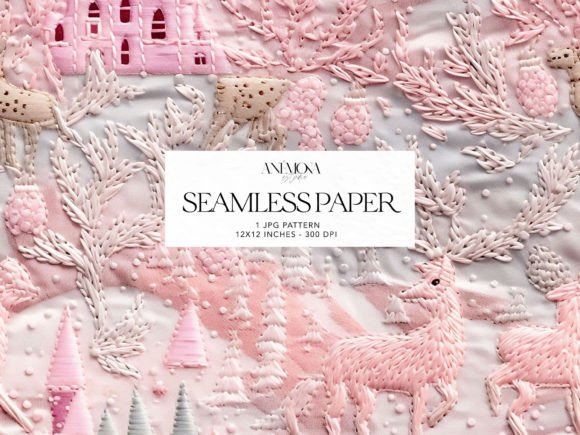
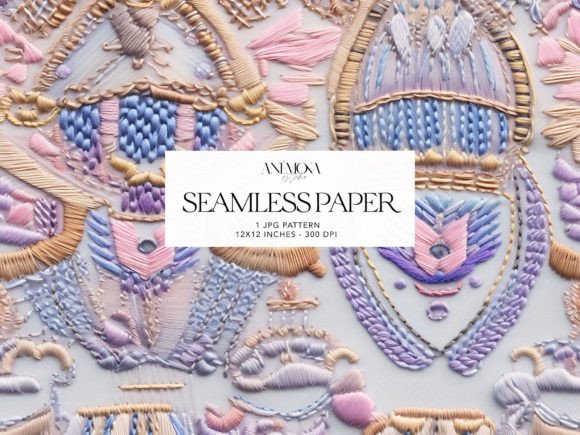
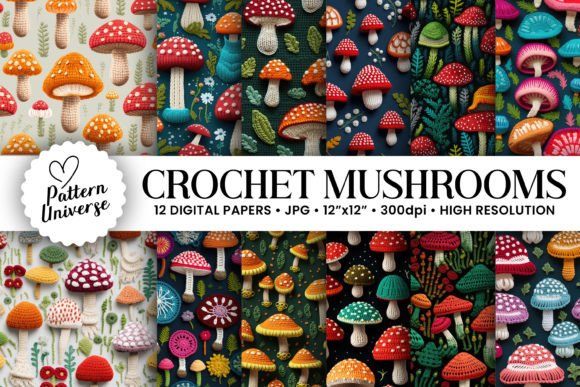
The initial impression of this collection is one of whimsical charm meeting rustic elegance. The title suggests a specific texture—the tactile feel of crochet stitches—which promises a unique visual depth that standard satin stitch backgrounds cannot achieve. For a boutique bakery, a creative studio, or a pet brand looking to establish a friendly yet professional identity, this aesthetic hits a sweet spot. It feels organic, inviting, and distinctly handmade, which is exactly what modern consumers are seeking when they purchase from Etsy sellers or local artisans.
Evaluating Real-World Application for Small Business Merch
In my review of Crochet Mushroom Embroidery Backgrounds, I envision several high-value applications for small business owners. These 12 digital papers are not merely decorative; they are versatile design assets that can elevate custom apparel and promotional items. Imagine a local café using one of these patterns as a subtle chest logo accent on their barista aprons. The mushroom motif, framed by the crochet texture, creates a narrative of warmth and nature that aligns perfectly with a coffee shop's atmosphere.
For apparel decorators, these backgrounds offer a fantastic opportunity to create embroidered patches. A leather patch featuring a cropped section of the mushroom pattern could serve as a durable badge on denim jackets or canvas tote bags. This transforms a simple accessory into a collectible piece of merch. Similarly, for event merch creators, these designs work beautifully as sleeve details on work shirts or as a repeating pattern on the lining of tote bags. The versatility allows a single file set to be utilized across multiple product lines, maximizing the return on investment for your design assets.
When considering branded product labels, the application becomes even more strategic. A florist or craft business owner can use these backgrounds to create a consistent visual language. By incorporating the pattern into the packaging accents or the tag attached to a finished handmade product, you reinforce brand recognition. Customers begin to associate that specific crochet texture and mushroom imagery with your quality standards. This visual consistency builds trust and elevates the perceived value of your finished product, making it stand out against competitors who use generic stock images.
Strategic Use Cases for Branded Patches and Uniforms
The potential for Crochet Mushroom Embroidery Backgrounds extends beyond simple decoration into functional branding. For staff uniforms, particularly in hospitality or retail settings, these designs can add a touch of personality without compromising professionalism. A cap embroidery project utilizing a simplified version of the background behind a logo can create a cohesive look for the entire team. However, the success of such projects depends heavily on the execution.
I have seen many small businesses struggle with textured backgrounds because they lack the necessary density or clarity. While the crochet style is charming, it requires careful consideration of thread colors and stitch density. If the contrast is too low, the design will disappear on dark uniforms. Conversely, if the density is too high, the fabric may pucker, ruining the drape of the garment. For items like apron embroidery, where the fabric is often heavy cotton or twill, these backgrounds can add a delightful pop of color and texture, provided the underlying structure is sound.
Furthermore, for product designers creating digital mockups, these graphics are invaluable. Before committing to a bulk order of embroidered patches or printed wraps, you can use these digital papers to create realistic printable mockups. This allows you to present concepts to clients or investors with confidence, showing them exactly how the final product will look. It bridges the gap between a digital concept and a tangible reality, streamlining the approval process for commercial embroidery projects.
Critical Considerations for Production Quality
While the potential is vast, there are specific areas where Crochet Mushroom Embroidery Backgrounds must be handled with caution. As a designer, I always advise testing any new asset before full-scale production. One of the most common pitfalls is attempting to scale these intricate backgrounds down too small. On a tiny patch size or a cap front, the fine details of the crochet texture may become muddy or indistinguishable, resulting in a loss of definition.
Curved surfaces present another challenge. When embroidering onto a curved cap or a rounded tumbler wrap, the tension of the machine can distort complex patterns. The "crochet" effect might stretch unevenly, altering the intended look of the design. To mitigate this, I recommend reviewing the spacing of the elements within the file. Ensure there is enough negative space around the edges to accommodate the curvature of the item without clipping important details.
High stitch density is another factor to monitor. Designs with heavy textures require robust stabilizers to prevent puckering, especially on lightweight fabrics. If the background is too dense, it can make the fabric stiff and uncomfortable, which is unacceptable for items like work shirts or baby clothing. Additionally, dark uniforms pose a risk for visibility. If the thread colors chosen do not offer sufficient contrast against the dark fabric, the design will fail to perform its branding function. Always test your thread colors against the actual fabric swatch before running a large batch.
Essential Designer Notes for Commercial Success
To ensure your use of Crochet Mushroom Embroidery Backgrounds yields professional results, follow these practical steps. First, test the design in black and white. This removes the distraction of color and allows you to evaluate the structural integrity and readability of the pattern. If it does not read well in grayscale, it likely lacks the necessary contrast for color production.
Second, confirm the hoop size compatibility. Large backgrounds may require multi-hoop setups, which increases production time and cost. Ensure your workflow can accommodate the dimensions of the design files. Third, inspect the spacing closely. Are the elements too close together? Will they merge during the stitching process? Proper spacing is crucial for maintaining the crispness of the crochet texture.
Fourth, always test on real fabric. Digital previews can be deceiving; seeing the design stitched on the actual material you intend to sell is non-negotiable. Check the fabric texture interaction—does the design sit flat, or does it ride up? Finally, confirm commercial licensing. Before using these files for branded merchandise, verify that your license permits commercial use. Many digital products are restricted to personal crafting only, and violating these terms can lead to legal issues for your business.
By treating Crochet Mushroom Embroidery Backgrounds with the same rigor as a custom digitized file, you can unlock significant value for your brand. Whether you are creating embroidered patches, custom apparel, or branded product add-ons, these design assets offer a unique way to communicate your brand's personality. They invite customers into a world of handmade care and attention to detail, ultimately driving engagement and loyalty for your small business.
Remember, the goal is not just to decorate an item, but to enhance the brand identity. When executed correctly, a simple mushroom background can become a signature element of your company's visual language. Take the time to prepare, test, and refine your approach, and you will find that these digital embroidery files are powerful tools in your arsenal for creating memorable, high-quality merchandise.