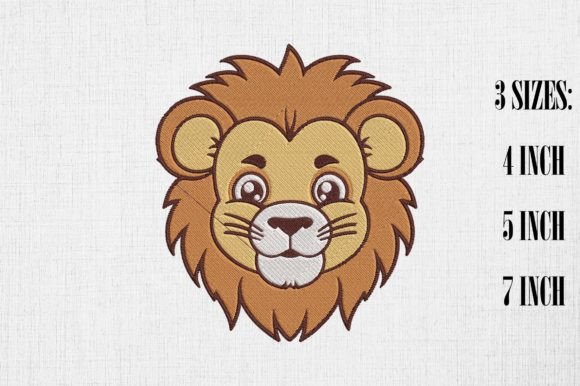
Cute Tiger Embroidery Design Review
As an experienced embroidery designer who has spent years refining digital files for both personal passion projects and commercial production, I know that the difference between a good product and a great one often lies in the details. Recently, I came across the Cute Tiger Embroidery Design on Creative Fabrica. Before adding it to my library for a real customer order, I wanted to put it through a rigorous mental evaluation. Is this design ready for the hoop? Can it withstand the rigors of daily wear and frequent washing? Does it have the charm needed to sell as a handmade item?
The world of Wild Animals embroidery is crowded, but there is always room for a character that brings warmth and personality. This particular embroidery file promises versatility, claiming suitability for clothes, baby's onesies, home decor, t-shirts, tablecloths, kitchens, towels, and more. But does the reality match the description? Let's dive into what you can expect when using this Creative Fabrica embroidery asset for your next project.
First Impressions: Visual Mood and Stitch Personality
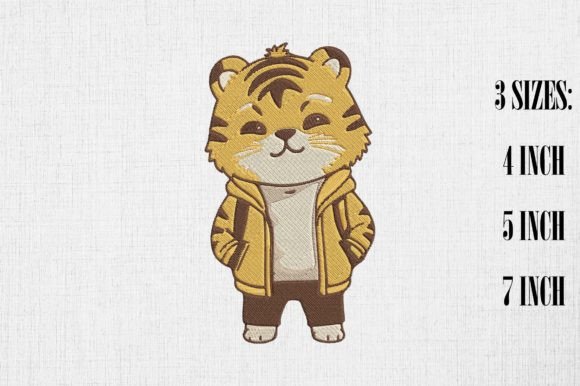
When you first open a new digital embroidery file, the immediate reaction is about visual appeal. The Cute Tiger Embroidery Design exudes a playful and approachable energy. It doesn't look like a fierce predator; instead, it feels like a friendly companion perfect for nursery decor or a child's garment. The line work appears clean, suggesting that the underlying digitization is thoughtful rather than rushed.
For a designer, the "stitch personality" is crucial. A design that relies too heavily on dense fill stitches can become stiff and unyielding, especially on stretchy fabrics. From the preview images, this design seems to balance satin stitch elements with softer fill stitch areas. This balance is essential for maintaining the shape of the tiger while keeping the fabric soft enough to touch. The decorative appeal is high, making it an excellent candidate for handmade products where texture and detail matter. It naturally fits projects that require a touch of whimsy, such as personalized gifts or boutique merchandise.
Real-World Application: From Hoop to Finished Product
Imagine you are fulfilling a custom order for a local parent. They want a unique sweatshirt for their toddler. You select the Cute Tiger Embroidery Design for the chest area. How will it perform? In my experience, designs with this level of cuteness translate well onto custom apparel like hoodies and tees because they offer a focal point without overwhelming the garment.
However, the true test is versatility. The product description suggests use on kitchen towels and tablecloths. While the design is likely scalable, you must consider the aspect ratio. A tiger that looks adorable on a square kitchen towel might need slight adjustments if placed on a long runner. For tote bag design applications, the design holds up well because the canvas material provides a stable base. Similarly, for sweatshirt embroidery, the soft loops of the fleece can sometimes hide small details, so ensuring the stitch density is appropriate is key.
This design is also a strong contender for embroidered patches if you plan to add a border. The distinct outline of the tiger allows for easy trimming and backing application. Whether you are creating items for an Etsy listing or preparing stock for a craft fair, the visual consistency of this machine embroidery design helps maintain a professional brand image. It elevates a simple item into a premium finished product that customers are willing to pay for.
Practical Considerations for Commercial Success
While the aesthetic is charming, the practicalities of production determine whether a design is worth the investment of time and materials. When working with commercial embroidery, every variable matters. Here are some critical factors to evaluate before stitching the Cute Tiger Embroidery Design.
Hoop Size and Stability: Always check the recommended hoop size listed on the product page. If the design is intended for a 4x4 inch hoop, attempting to embroider it on a larger garment without proper stabilization can lead to distortion. For smaller items like caps or patches, ensure the curvature of the surface matches the flat nature of the design file. If the design includes tiny lettering or intricate facial features, verify that these elements remain legible after stitching.
Fabric Compatibility: Not all fabrics behave the same way. On stretchy fabric like jersey or spandex blends, the tension of the threads can cause puckering if the correct stabilizer is not used. Conversely, on textured fabrics like terry cloth towels, the needle may struggle to penetrate deeply enough to form tight stitches. Testing on scrap fabric is non-negotiable. You need to confirm how the thread colors contrast against the specific background you intend to use. A light-colored tiger on a white towel might lack definition, whereas the same design on a dark navy apron could pop beautifully.
Durability and Care: One of the biggest concerns for buyers of personalized gifts is washability. Designs with excessive stitch density can trap lint and become difficult to clean. Since this design features a cute animal, it is likely meant to be washed frequently. Ensure that the digitization accounts for thread breaks and that the edges are secure. If the design is intended for a pillow cover or a piece of nursery decor, the longevity of the stitch quality will directly impact customer trust and repeat business.
Elevating Product Value and Brand Perception
In the competitive world of small business owners and creative entrepreneurs, presentation is everything. A well-executed embroidery design adds tangible value to a product. When a customer sees a crisp, professionally stitched tiger on a tote bag, they perceive higher quality than if the stitching were loose or misaligned.
The Cute Tiger Embroidery Design contributes significantly to visual appeal and brand consistency. If you are building a shop focused on cute, nature-inspired themes, this asset fits seamlessly into your catalog. It enhances product photography by providing a natural focal point for mockups. When you create a printable mockup to show potential buyers, a high-quality embroidery simulation makes the listing stand out.
Furthermore, the emotional connection a buyer feels towards a cute animal motif can drive engagement. A handmade gift featuring this design is more likely to be shared on social media, effectively marketing your shop for free. However, this only works if the execution is flawless. Consistency in your output builds buyer trust; inconsistent results can damage your reputation quickly.
Essential Checklist Before You Start
Before you commit to a large run of apparel decorators or start selling finished goods, follow these practical steps to ensure success with the Cute Tiger Embroidery Design:
- Test on Scrap Fabric: Always run a test stitch on a piece of the actual fabric you plan to use to check for puckering or distortion.
- Check Thread Color Contrast: Verify that the chosen thread colors provide enough contrast against your fabric background.
- Review Stitch Density: Inspect the digitization for overly dense areas that might cause needle deflection or fabric stiffness.
- Confirm Hoop Size: Ensure your machine's hoop capabilities align with the design dimensions.
- Compare Light and Dark Mockups: See how the design looks on different colorways to ensure versatility.
- Use Proper Stabilizer: Select the right type and weight of stabilizer to support the fabric during stitching.
- Inspect Small Details: Zoom in on the digital preview to ensure tiny details like eyes or whiskers will stitch clearly.
- Verify Licensing: Read the license terms on the Creative Fabrica product page carefully. Understand the rules regarding commercial embroidery and selling finished items to avoid legal issues.
The Cute Tiger Embroidery Design offers a solid foundation for a variety of creative endeavors. Whether you are designing for the Wild Animals category or simply looking for a fun addition to your collection, this file shows promise. By approaching it with a critical eye and following best practices for embroidery file usage, you can transform a simple digital asset into a cherished handmade product that brings joy to its owner.