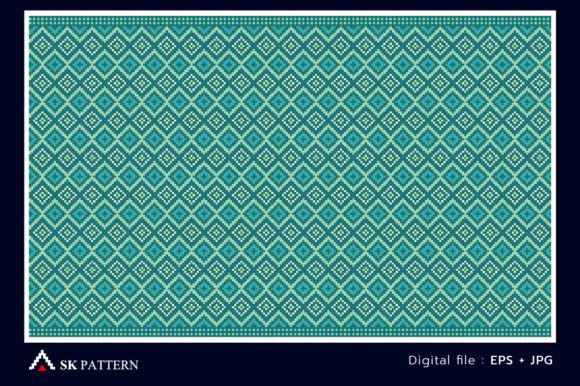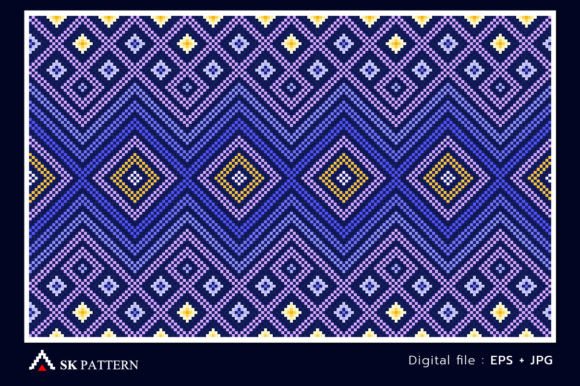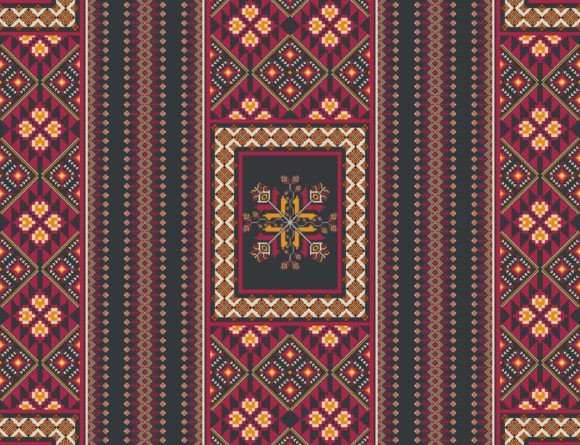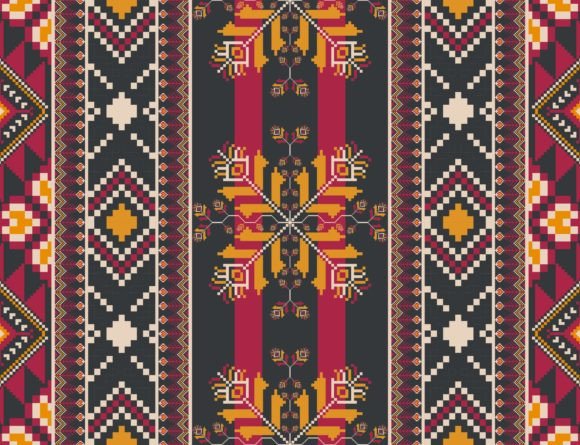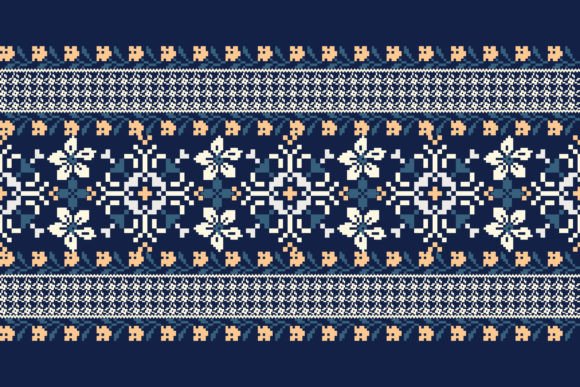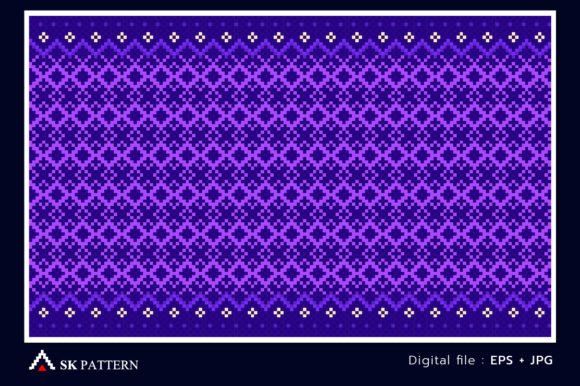
Embroidery Ethnic Pixel Pattern Vector Review
As an embroidery designer who spends most of my days tweaking digitized files and testing thread tensions, I am always on the lookout for unique visual assets that can elevate a standard garment into something truly special. When browsing Creative Fabrica, I recently came across a file titled Embroidery Ethnic Pixel Pattern Vector. While the description lists it under "Patterns" and "Graphics" with formats like EPS and JPG, my immediate interest lies in how this design translates to physical custom apparel.
I often use vector-based graphics as inspiration or base layers for creating original machine embroidery design collections. This particular asset caught my eye because of its potential to blend modern digital aesthetics with traditional ethnic motifs. Below is my professional assessment of how this design might perform in a boutique sweatshirt collection, along with practical advice for fellow designers and Etsy seller entrepreneurs.
First Impressions: Visual Personality and Stitch Mood
The first thing that strikes you about the Embroidery Ethnic Pixel Pattern Vector is its geometric precision mixed with organic cultural flair. The "pixel" aspect suggests a structured, grid-like layout, while the "ethnic" descriptor implies intricate detailing that could translate beautifully into satin stitches or fill patterns. Visually, it feels both trendy and classic—a balance that is crucial for boutique brand success.
In terms of mood, this design leans towards bold and playful. It has a decorative strength that works well for statement pieces. Unlike minimal designs that require subtle execution, this pattern commands attention. It feels premium when executed correctly, especially if you choose high-quality metallic or variegated thread colors. For a small clothing brand looking to stand out in a crowded marketplace, this kind of distinctive visual identity helps build customer engagement and product recognition.
Application on Boutique Apparel and Sweatshirts
I am currently planning a seasonal collection centered around cozy, oversized garments. Here is how I envision the Embroidery Ethnic Pixel Pattern Vector performing across different apparel types:
- Sweatshirt Embroidery: On neutral-colored crewneck sweatshirts, this pattern can serve as a large back print or a full-front chest piece. The geometric nature of the design ensures it remains legible even at larger scales.
- Hoodie Design: For hoodies, I see this working exceptionally well as a chest placement logo or repeated down the sleeves. A pastel hoodie would soften the boldness of the pixel pattern, creating a balanced, feminine look.
- Oversized Garments: Since oversized fits are trending, using this pattern as an all-over print (if digitized correctly) or as a large graphic on the lower hem adds a streetwear edge.
- T-Shirts and Denim Jackets: On dark denim jackets, the contrast of light threads against the indigo fabric will make the pixel details pop. It serves as a perfect focal point for upcycled vintage finds.
- Tote Bags: As a handmade product, embroidered tote bags featuring this pattern offer a functional yet stylish accessory that complements any outfit.
Strategic Placement and Design Considerations
While the design is visually striking, successful execution requires careful planning. Not every area of a garment is suitable for dense, complex patterns. Here are key considerations for your production process:
- Small Chest Placement: If scaling down, ensure the individual pixels remain distinct. Too small, and the ethnic details may blur into a muddy blob during stitching.
- Dense Stitch Areas: Ethnic patterns often involve intricate fills. Check the stitch density carefully. If the design is too dense, it can pucker lightweight fabrics or become stiff and uncomfortable on skin contact areas.
- Stretchy Fabric: Fleece and ribbed cuffs stretch significantly. Avoid placing rigid, blocky pixel patterns directly over high-stretch zones unless you use a flexible stabilizer and appropriate stitch types.
- Dark Garments: When embroidering on black or navy, test your thread colors thoroughly. High-contrast colors work best, but be mindful of thread breakage on dark backgrounds.
- Curved Surfaces: Embroidering on the curved shoulder of a hoodie or the rounded side of a tote bag requires precise hooping. Flat surfaces yield the cleanest results for geometric patterns.
Enhancing Brand Identity and Product Value
Using a unique digital embroidery file like this one allows you to differentiate your small shop product from mass-produced items. When customers see a well-executed, detailed design on a garment, it signals quality and care. This visual consistency builds trust and encourages repeat purchases. Furthermore, having high-resolution versions of the design allows you to create printable mockups for your online store, giving potential buyers a clear idea of the finished product before they commit.
Practical Designer Notes for Production
Before adding this design to your commercial inventory, I recommend following these steps to ensure professional results:
- Test on Scrap Fabric: Always run a test stitch-out on the exact fabric type you plan to use. This reveals how the material interacts with the needle and thread.
- Check Stabilizer Choice: For heavy patterns on sweatshirts, a cut-away stabilizer is usually necessary to prevent distortion during washing.
- Review Thread Color Contrast: Select threads that complement the ethnic tones of the pattern. Variegated threads can add depth, but solid colors provide sharper definition for pixel art.
- Confirm Hoop Size: Ensure your machine’s hoop can accommodate the intended size of the design without awkward re-hooping.
- Inspect Stitch Density: If the vector needs to be digitized, pay close attention to underlay stitches. They provide the foundation for the top stitches and prevent fabric puckering.
- Compare Placement Options: Mock up the design in different positions (center chest, left pocket, back yoke) to see what looks most balanced.
Licensing and Final Thoughts
It is critical to review the Creative Fabrica product details and licensing agreement before selling finished apparel. The product description mentions files included are 1 EPS file and 1 JPG. It does not explicitly state that an embroidery-specific file format (like .PES, .DST, or .EXP) is included. As a designer, you may need to trace the vector or digitize the graphic yourself to create a true commercial embroidery file.
Additionally, verify if the license permits commercial use on physical goods. Many graphic marketplaces allow digital resale but have restrictions on physical merchandise. Confirming these terms protects your business from legal issues.
Overall, the Embroidery Ethnic Pixel Pattern Vector offers a versatile foundation for creating standout lifestyle product photos and engaging social media graphics. Whether you are an experienced digitizer looking for inspiration or a craft entrepreneur seeking unique designs for your Etsy listings, this asset provides a strong starting point. By paying attention to technical details like stabilizer choice and thread selection, you can transform this graphic into a high-value finished product that resonates with your target audience.
For those interested in exploring more such assets, browsing the Patterns and Graphics categories on Creative Fabrica can reveal numerous opportunities to expand your creative repertoire. Just remember to always prioritize quality control and proper licensing to maintain the integrity of your boutique brand.