Heart Embroidery: A Designer's Real-World Review
As someone who has spent years turning digital files into tangible, high-quality finished products for clients and craft fairs, I approach every new embroidery design with a mix of excitement and skepticism. The market is flooded with generic shapes, but finding a file that balances simplicity with professional execution is rare. Today, I am putting the Heart Embroidery design through its paces to see if it truly deserves a spot in your production queue or just another folder on your hard drive.
The First Impression: Mood and Visual Personality
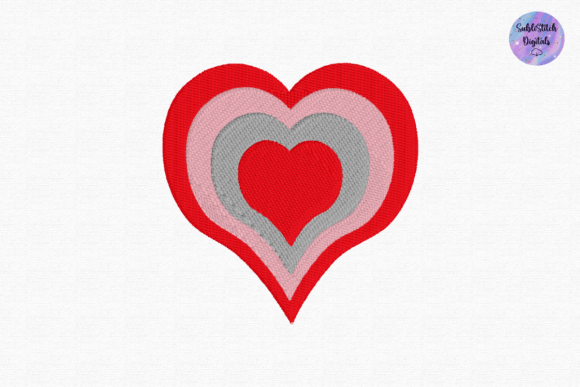
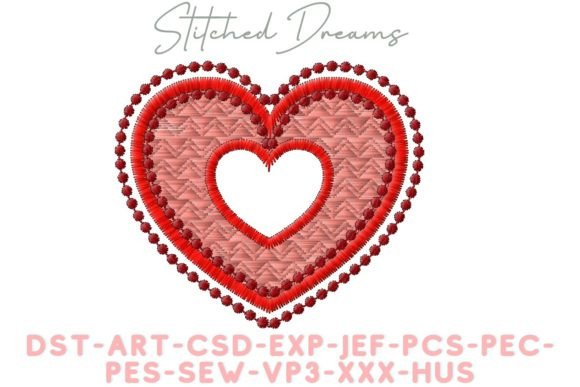
When you first open the file, the immediate takeaway from Heart Embroidery is its clean, uncluttered aesthetic. It avoids the trap of being overly ornate, which often leads to stitching issues on smaller projects. Instead, it offers a bold, recognizable silhouette that feels both modern and timeless. This isn't just a clipart heart; it is a constructed machine embroidery design meant to hold its shape under tension.
The visual personality is warm and inviting without being cloying. In the world of handmade goods, where buyers are looking for authenticity, this design strikes a chord. It suggests care and intention rather than mass-produced uniformity. For a designer or small business owner, this kind of clarity is gold because it translates well across different mediums. Whether you are creating a simple tote bag or a layered baby onesie, the core shape remains legible and striking.
Real-Life Scenario: From File to Finished Tote Bag
To truly evaluate this design, we need to look at how it performs in a real-world scenario. Imagine you are preparing inventory for an upcoming Valentine's Day pop-up shop. You have decided to create a line of canvas tote bags featuring custom graphics. You select Heart Embroidery as the centerpiece. Here is what happens when you move from the screen to the hoop.
The design works exceptionally well on heavy-duty fabrics like canvas or denim used for tote bags. The stitch density appears balanced, ensuring the heart doesn't pucker the fabric but still provides enough coverage to stand out against the texture of the material. When stitched in a classic red thread on a natural beige bag, the contrast creates a premium feel that customers immediately recognize as a quality item. It elevates a standard tote from a simple carry-all to a boutique-worthy accessory.
But let us consider the commercial aspect. As an Etsy seller, your product photos need to sell the story. This design is versatile enough to be photographed in various lighting conditions. It looks crisp in bright, airy mockups for a spring collection and equally effective in darker, moody shots for a holiday gift guide. The simplicity allows it to serve as a standalone statement or a subtle accent next to personalized text, giving you flexibility in your product listings.
Performance Across Different Projects
While the tote bag example is strong, Heart Embroidery proves its worth across a wide spectrum of applications. Its adaptability makes it a valuable asset for any crafter or apparel decorator looking to expand their catalog.
- Custom Apparel: On sweatshirts and t-shirts, the design holds up well. It adds a touch of personality to hoodies without overwhelming the wearer. The clean lines prevent the fabric from becoming too stiff, maintaining comfort while delivering style.
- Baby Items: For baby clothes and nursery decor, safety and softness are paramount. This design is gentle enough for delicate skin. When applied to a baby blanket or a bib, the smooth satin stitches ensure there are no rough edges that could irritate a child.
- Holiday Gifts: During Valentine's Day, this design becomes a staple. It fits perfectly on kitchen towels, aprons, and pillow covers. The theme is universally understood, making it an easy sell for gift-givers who want something personal but not overly specific.
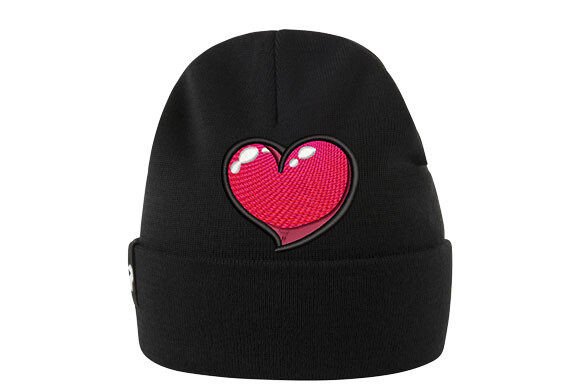
- Accessories: Trying this on a cap or hat requires precision, but the shape is forgiving enough to work on curved surfaces. It creates a focal point that draws attention to the front of the garment.
The versatility extends to digital assets as well. If you sell printable mockups or design assets, this file serves as a reliable placeholder. It helps clients visualize how their brand might look on physical merchandise before they commit to printing or producing large quantities.
Where to Exercise Caution
Even the best machine embroidery design has its limitations. To maintain professional standards, you must know where Heart Embroidery should be used carefully. Understanding these constraints is what separates a hobbyist from a seasoned expert.
First, consider your hoop size. While the design is scalable, using it in a very small hoop can result in lost detail. If you attempt to stitch this on a tiny patch or a miniature item, the curves might become jagged or the corners may round off unintentionally. Always test the scale relative to your available hoop space.
Fabric choice is equally critical. Textured fabrics like thick fleece or boucle can hide the definition of the stitches. Similarly, thin or stretchy fabrics require extra stabilization to prevent puckering. If you are working with dark fabric, you must carefully select your thread colors. A light-colored heart on black fabric might require a dense fill stitch to ensure opacity, which could increase the risk of fabric distortion if not stabilized correctly.
Another area of caution is frequent washing. While embroidery is durable, designs with high stitch density or complex details can degrade faster over time. If you are selling commercial items intended for heavy use, such as work uniforms or kids' play clothes, inspect the finished product after multiple wash cycles to ensure the integrity of the stitch density remains intact.
Practical Notes for the Designer
Before you run this design on your production line, there are several technical steps you must take. Do not skip the testing phase. Always stitch a sample on scrap fabric that matches your final project material. This allows you to check the thread color contrast and ensure the stabilizer you chose is sufficient for the weight of the fabric.
Review the stitch types closely. Is it primarily satin stitch for the outline, or does it utilize fill stitch for the interior? Understanding the construction helps you anticipate how the design will behave. Check whether the design includes running stitch elements that might fray if not secured properly. Also, verify the licensing terms. If you plan to sell finished items or distribute the digital file, confirm that you have the right to do so commercially.
Finally, compare the design in both black and white mockups. This removes the distraction of color and lets you judge the composition and balance. Does the heart sit comfortably within the frame? Are the proportions pleasing? These questions ensure that your final product meets the high standards your customers expect.
Final Thoughts on Value and Trust
In the end, Heart Embroidery is more than just a shape; it is a tool for building trust. When a customer receives a handmade product with clean, precise stitching, they perceive value. They feel confident that the maker cares about quality. This design supports that narrative by offering a clear, professional look that enhances the perceived worth of your handmade product.
Whether you are a small shop owner expanding your Valentine's Day collection or a creative entrepreneur looking for reliable design assets, this file delivers on its promise of simplicity and impact. It is a practical addition to your toolkit, provided you respect the technical nuances of embroidery. By following proper preparation protocols and understanding the limitations of the medium, you can transform a simple digital file into a cherished finished product that stands out in a crowded marketplace.