Natural Flower Embroidery Design Review
As an experienced embroidery designer who has spent years crafting assets for small business merchandise, I approach every new embroidery file with a critical eye. When evaluating the Natural Flower Embroidery Design, my goal is not just to admire its aesthetic but to determine if it holds up under the rigorous demands of commercial production. This review focuses on how this piece functions as a practical tool for branding, from custom apparel to branded patches.
First Impressions and Visual Personality
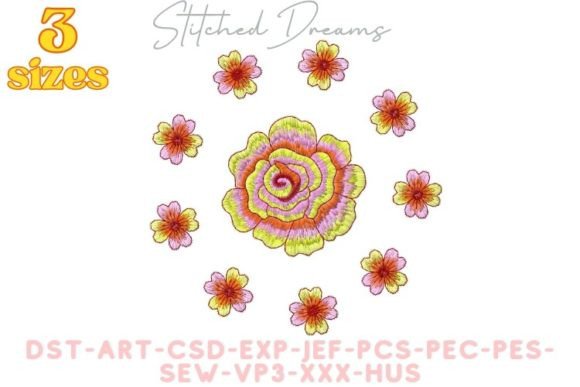
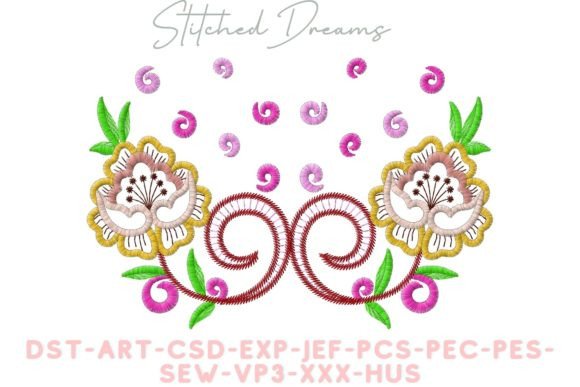
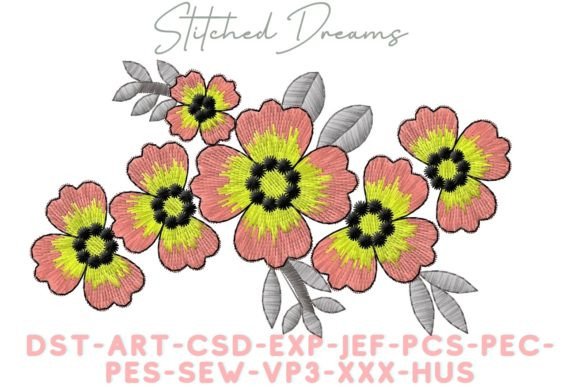
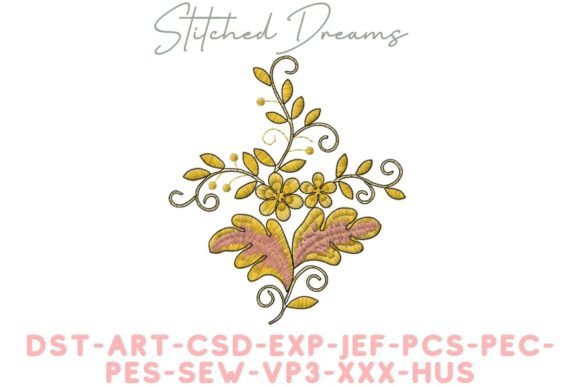
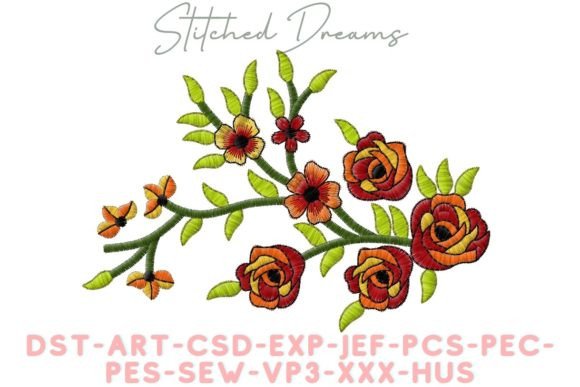
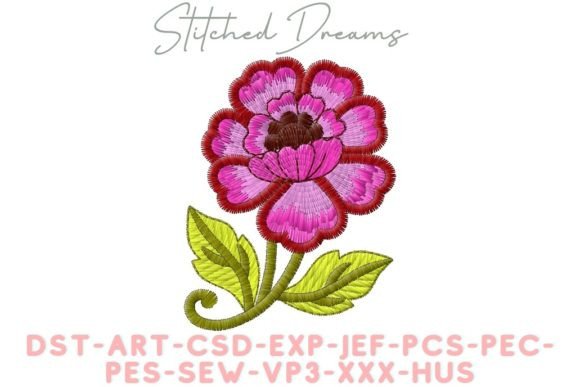
The description highlights "exquisite beauty" and "gracefully cascading leaves," which immediately suggests a design that leans toward elegance rather than bold graphic simplicity. For a small business owner looking to add a touch of nature to their brand, this Natural Flower Embroidery Design feels professional yet approachable. It strikes a balance between rustic charm and premium quality. The mention of "meticulously stitched" petals implies a level of detail that can elevate a basic tote bag or work shirt into a perceived luxury item. In the world of handmade products, this visual personality signals care and attention to detail, traits that customers value highly when engaging with artisan brands.
Real-World Business Applications
When we move from the screen to the hoop, the versatility of this design becomes apparent. Imagine a local florist or a boutique café wanting to create a cohesive look for their team. The Natural Flower Embroidery Design works exceptionally well as a chest logo accent on staff uniforms or aprons. The cascading leaves provide a natural flow that follows the contours of the garment without feeling stiff. For a bakery or pet brand, placing this design on the back of a cap adds a sophisticated touch that distinguishes them from competitors using generic clipart.
Furthermore, this design is a strong candidate for creating embroidered patches. Small businesses often use patches to attach logos to denim jackets, backpacks, or limited-edition merchandise. The intricate details described in the product title suggest that this could serve as a high-value add-on for customer gifts or event merch. Whether it is used on a tote bag design or as a subtle mark on product packaging accents, the floral motif reinforces a connection to nature and organic quality. For Etsy sellers and crafters, having a digital embroidery file like this allows for rapid prototyping and the creation of unique design assets that drive buyer engagement.
Strategic Considerations and Limitations
While the potential is high, an experienced designer must also identify where caution is required. The very detail that makes this design beautiful—the "intricate details" of each petal—can be its downfall if scaled too small. Using the Natural Flower Embroidery Design on tiny patch sizes or curved surfaces like the front of a fitted cap requires careful evaluation. If the stitch density is too high for the fabric texture, the design may pucker or lose definition.
Small lettering or fine outlines within the flower structure might blur when embroidered on dark uniforms or textured fabrics. Additionally, items that require frequent washing, such as heavy-duty work shirts, need designs that are robust. A design with delicate, loose stitches might unravel over time if not stabilized correctly. Therefore, before committing to a large run of custom apparel, one must test the design on the actual material to ensure the finished product maintains its integrity after laundering.
Impact on Brand Identity and Customer Trust
In the competitive landscape of small business merch, visual consistency is key. A high-quality machine embroidery design like this one directly influences customer trust. When a client sees a crisp, well-executed floral motif on a uniform or a branded tote, it communicates professionalism. It suggests that the business cares about the quality of its output. This perception of quality extends to the product value; a well-branded item often commands a higher price point. By integrating the Natural Flower Embroidery Design strategically, businesses can create a memorable brand identity that resonates with audiences seeking authentic, handmade products.
Practical Designer Notes for Production
Before launching into production, there are several technical steps every designer should take to ensure success. First, always test the design in black and white first. This helps verify that the stitch direction and density create a clear silhouette without relying on thread color contrast alone. Next, check if it works at your intended small patch size. If the design includes fine lines, they may need simplification for smaller dimensions.
Review the thread colors against your specific fabric choices. A light-colored flower on a dark background will pop, but you must ensure the underlay is sufficient to prevent show-through. Inspect the spacing carefully; the cascading leaves should not crowd other elements on a cap or apron. Confirm the hoop size needed to accommodate the full design without cutting off any petals. Testing on real fabric is non-negotiable; digital mockups are helpful, but only physical testing reveals how the stitch density interacts with the weave of the cloth.
Finally, use a proper stabilizer suited to the weight of the fabric. Creating a printable mockup for client approval is a smart business practice that prevents costly mistakes. Compare this design beside other design assets in your library to ensure it fits the overall brand aesthetic. Most importantly, confirm commercial licensing before using the Natural Flower Embroidery Design for any commercial embroidery projects. Ensure you have the rights to sell items featuring this design.
Final Thoughts for Merch Creators
The Natural Flower Embroidery Design offers a compelling option for those looking to infuse their small business products with a sense of organic elegance. From apron embroidery to tote bag design, its graceful lines and detailed petals provide a versatile canvas for branding. However, success lies in the execution. By understanding the limitations regarding size and fabric texture, and by following strict testing protocols, designers can transform this digital asset into a tangible symbol of quality. For the right application, this design can elevate a simple piece of merchandise into a cherished brand artifact.