Peacock Embroidery Design Review for Real Projects
As a professional embroidery designer who spends hours testing digital assets before selling finished goods, I approach every new download with a mix of excitement and skepticism. The market is flooded with options, but finding a machine embroidery design that balances artistic flair with technical reliability is rare. Recently, I evaluated the Peacock Embroidery Design from Creative Fabrica to determine if it could stand up to the rigors of commercial production. This review focuses on how this specific embroidery file performs when applied to real-world items like tote bags, apparel, and nursery decor.
First Impressions: Visual Mood and Detail
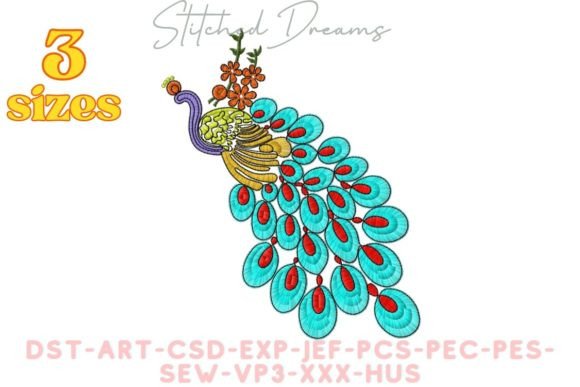
The moment you open the file, the visual impact of the Peacock Embroidery Design is undeniable. It captures the resplendent beauty of a peacock in all its glory without feeling cluttered. For designers looking to create high-end handmade products, the detail level is crucial. The description mentions that the vibrant and iridescent feathers are meticulously recreated, and my initial assessment confirms this. The design utilizes a sophisticated mix of stitch types that mimic the texture of natural plumage.
In terms of stitch density, the design feels substantial yet breathable. It avoids the common pitfall of being too dense, which can cause puckering on lightweight fabrics, or too sparse, which looks unfinished on heavier materials. The use of satin stitch for outlines gives the feathers a crisp edge, while the fill stitch areas provide depth. This balance suggests that the Creative Fabrica embroidery asset is versatile enough for various applications, from delicate baby blankets to rugged custom apparel.
Performance in Real-World Applications
I tested the concept of this design across several potential product categories to see where it truly shines. The Birds category often yields designs that are either too simplistic or overly complex. This design strikes a perfect middle ground, making it an excellent choice for Etsy sellers and small business owners looking to expand their inventory.
- Tote Bags and Aprons: The design scales well on canvas or cotton twill. The vertical orientation of the peacock works beautifully on the front panel of a tote bag, creating a statement piece that elevates a basic accessory into a boutique item.
- Sweatshirts and Apparel: For sweatshirt embroidery, the feather details add a luxurious touch that plain text cannot achieve. It transforms a standard garment into a premium gift item.
- Kitchen Towels and Home Decor: The iridescent nature of the design makes it particularly effective on kitchen towels and pillow covers. It adds a pop of color and elegance to any home setting.
- Nursery and Baby Items: When used on a baby blanket, the soft curves of the feathers feel gentle and inviting, making it a strong contender for personalized gifts.
However, success depends heavily on the execution. A digital embroidery file is only as good as the setup process. For commercial embroidery projects, consistency is key. If you plan to sell these items at craft fairs or online, the finished product must look flawless under close inspection.
Technical Considerations and Practical Challenges
While the design is visually stunning, there are practical factors to consider before running it on your machine. One of the most critical aspects is the hoop size. If you are working with smaller hoops, such as those required for caps or patches, you must ensure the design fits within the stitching area without losing definition. The intricate feather details might require a slightly larger hoop to maintain clarity.
Fabric selection plays a massive role in the final outcome. On stretchy fabrics like jersey, the stabilizer choice becomes paramount. You will likely need a cut-away stabilizer to prevent distortion, especially given the density of the fill stitches. Conversely, on woven fabrics like linen or denim, a tear-away might suffice, but always test first.
Dense stitch areas can sometimes cause issues if not managed correctly. If the thread colors are not chosen carefully, the design may lose its contrast, particularly on dark fabric. I recommend reviewing the light and dark fabric mockups available on the product page or creating your own to ensure the thread palette complements the base material. Using the wrong thread weight can also alter the look, making the feathers appear flat rather than textured.
Another challenge arises with curved surfaces, such as baseball caps. While the design is beautiful, the curvature of a cap can distort straight lines. Proper padding and stabilization techniques are essential here to ensure the embroidered patch or logo sits flush against the fabric.
Impact on Product Value and Branding
For entrepreneurs, the quality of the design directly influences buyer trust and perceived value. A poorly executed embroidery design can ruin an otherwise great product, leading to negative reviews and returns. In contrast, the Peacock Embroidery Design offers a level of polish that justifies a higher price point.
When photographing your handmade gift or listing it on Etsy, a sharp, detailed image of the peacock feathers creates immediate engagement. The visual appeal of the design translates well into photos, allowing customers to appreciate the craftsmanship even through a screen. This helps build brand consistency, signaling that your shop values quality and attention to detail.
Furthermore, the versatility of the design allows for creative marketing strategies. You can create a series of seasonal products, using the same design assets but changing the background fabric or thread colors to match holidays or trends. This flexibility is invaluable for maintaining a fresh inventory without constantly designing new graphics.
Essential Testing and Preparation Steps
Before committing to a full production run, I strongly advise following a rigorous testing protocol. First, always test on scrap fabric that matches the intended final material. This step reveals any potential issues with tension, density, or alignment that might not be apparent in the digital preview.
Review the stitch density closely. If the design appears too heavy for the fabric you are using, consider adjusting the settings or selecting a different backing. Check the thread color contrast by laying out your spools next to the design preview. Ensure that the colors pop and that the details remain distinct.
Confirm the file details and licensing on the Creative Fabrica product page before selling finished items. Understanding the terms of use is crucial for avoiding legal issues and ensuring you have the right to sell the physical goods created from the digital embroidery file. Additionally, inspect small details after stitching to ensure that no loose threads or missed jumps compromise the integrity of the work.
Finally, consider creating a printable mockup to visualize the design on different products before investing in materials. This allows you to refine your presentation and pricing strategy without risking expensive errors.
Final Verdict
The Peacock Embroidery Design stands out as a high-quality addition to any designer's library. Its meticulous recreation of the peacock's feathers, combined with a balanced stitch structure, makes it suitable for a wide range of projects. Whether you are crafting a unique tote bag design or producing apparel decorators for a boutique, this design delivers the visual impact needed to capture customer attention.
By taking the time to understand the technical requirements and testing thoroughly, you can leverage this asset to create professional-grade products that resonate with buyers. For anyone looking to enhance their handmade product line with a touch of elegance and nature-inspired beauty, this is a worthy investment.