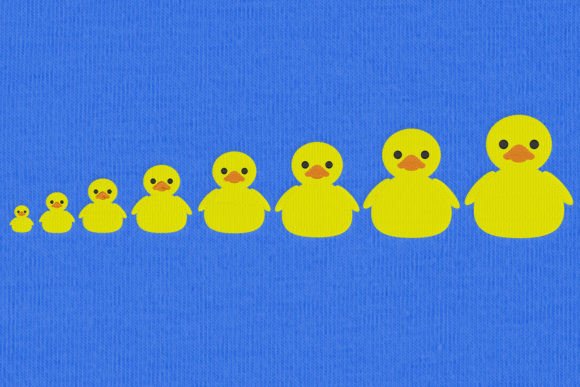
Rubber Duck Front Mini Embroidery Review
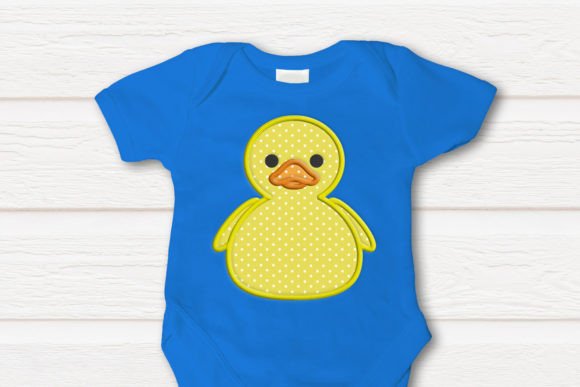
As an experienced embroidery designer preparing for a weekend craft fair, I am constantly evaluating which digital assets will translate into high-selling handmade products. Today, I am reviewing the Rubber Duck Front Mini Embroidery. When you first look at this file, it strikes me as a perfect candidate for the "cute and functional" niche that dominates current market trends. The description highlights its suitability for bathrooms and babies, which immediately suggests a strong potential for gifting items and nursery decor.
This isn't just another generic bird design; it is a specific character piece that carries personality. For any Etsy seller or boutique maker looking to expand their inventory, understanding how this machine embroidery design performs in real-world production is crucial before committing to a full batch run. Let's dive into why this Rubber Duck Front Mini Embroidery could be the star of your next booth display.
First Impressions: Style and Market Fit
The immediate visual appeal of the Rubber Duck Front Mini Embroidery is its charm factor. It feels soft, playful, and undeniably modern with a touch of farmhouse rusticity depending on the thread colors chosen. In a crowded marketplace, designs that evoke nostalgia or humor often stand out the most. A rubber duck is universally recognized, making it an instant conversation starter.
For craft fair sellers, the key question is whether this design feels premium enough to justify a higher price point. Because it is labeled as a "mini" embroidery file, it naturally lends itself to smaller accent applications rather than massive wall hangings. This scale is actually a selling point. Customers often prefer subtle details on tote bags, aprons, or small pouches rather than overwhelming graphics. The design fits perfectly into the "small shop product" aesthetic where quality and thoughtfulness matter more than size.
Product Potential: Where This Design Shines
When planning my table display for a handmade market, I consider which items allow the design to breathe while still being visible from a distance. Here is how the Rubber Duck Front Mini Embroidery performs across various categories:
- Tote Bag Design: Placing this mini embroidery on the front pocket of a canvas tote bag is a classic move. It adds a pop of color without dominating the bag. It photographs exceptionally well for online listings, giving customers a clear idea of the finished product.
- Apron Embroidery: For kitchen-themed gifts, stitching this onto a linen apron creates an instant focal point. The rubber duck theme aligns perfectly with cooking and cleaning, making it a logical choice for home goods.
- Tea Towel Embroidery: Cotton tea towels are a staple for craft fairs. The dense stitching required for a character like a duck holds up beautifully on these textured fabrics, provided the stabilizer is chosen correctly.
- Embroidered Patch: If the design allows for clean edges, it can be converted into a sew-on patch. This expands the utility of the digital embroidery file, allowing buyers to apply it to denim jackets or hats themselves.
- Fabric Pouches and Market Bags: Small zippered pouches for cosmetics or baby supplies are ideal for this scale. The design acts as a delightful surprise when the customer opens the bag.
- Pillow Covers: While a single mini duck might feel small on a large pillow, using it as part of a cluster of three or four different animal designs creates a cohesive collection that sells as a set.
Photography and Online Sales Strategy
For digital sellers and Etsy sellers, the ability to create a printable mockup is essential. The Rubber Duck Front Mini Embroidery is simple enough to photograph clearly on scrap fabric, but detailed enough to show texture. When listing this as a commercial embroidery product, ensure your photos highlight the thread contrast against the fabric texture.
Because the design features a recognizable subject, it has high visual appeal that stops the scroll on social media feeds. Customers browsing for baby shower gifts or bathroom accessories will likely stop at a photo featuring this cute duck. However, remember that a finished product must look crisp. If the design loses clarity due to poor resolution or incorrect hoop size settings, the perceived value drops significantly.
Practical Production and Selling Points
From a production standpoint, the mini nature of this Rubber Duck Front Mini Embroidery makes it highly repeatable for batch production. You can churn out dozens of aprons or tea towels in a single day if your workflow is optimized. The design is easy to understand at a glance, meaning you don't need to spend excessive time repositioning it on the garment during the hooping process.
However, not all designs are created equal regarding stitch density. Before running a full production run, you must verify the stitch count and density within the embroidery file. Dense areas can cause puckering on lightweight fabrics, while sparse areas might look weak on dark fabrics. Always check the thread colors recommended by the designer to ensure the yellow of the duck pops against your chosen background.
Careful-Use Notes and Technical Considerations
Even the cutest designs have limitations. As an experienced creator, I always advise checking the following technical aspects before turning this file into a sellable item:
- Dense Stitch Areas: Check if the duck's beak or eyes contain too many stitches. Excessive density can make the fabric stiff, which is undesirable for baby clothes or soft towels.
- Small Details: Tiny lettering or fine lines might disappear if the design is scaled down too much. Stick to the recommended dimensions to maintain clarity.
- Curved Surfaces: Embroidering on caps requires a curved surface hoop. Ensure the design is digitized specifically for curved surfaces, or it may distort when stitched onto the cap.
- Dark Fabric: If you plan to embroider on dark-colored aprons or bags, you may need a backing layer or specific underlay settings to prevent the fabric from showing through the light yellow threads.
- Fabric Texture: Highly textured towels or boucle fabrics can hide the detail of the design. Test on a sample first to see if the texture interferes with the stitch definition.
Designer's Checklist for Success
To ensure the Rubber Duck Front Mini Embroidery becomes a bestseller, follow these practical steps derived from years of designing for the industry:
Test First: Never skip the test run. Use scrap fabric to evaluate how the design sits and feels. Does it lie flat? Are the colors vibrant?
Check Stabilizer: The right stabilizer is the backbone of a good embroidery job. For stretchy knits, use a tear-away or cut-away stabilizer. For woven cottons, a standard tear-away usually suffices.
Confirm Hoop Size: Ensure your hoop size matches the design dimensions. A design meant for a 4x4 hoop will not work correctly in a larger hoop without resizing, which can alter the stitch density.
Inspect Stitch Density: Look closely at the finished sample. Are there gaps in the satin stitches? Is the back of the embroidery messy? A clean back indicates a professional finish that commands a higher price.
Create Real Mockups: Don't rely solely on digital renderings. Create at least one real mockup to take photos for your Etsy listings. Authentic photos build trust with buyers.
Compare Fabric Colors: The same design looks different on navy blue versus white. Compare multiple fabric options to find the one that maximizes the visual impact of the rubber duck.
Verify Licensing: Before selling finished products commercially, confirm the commercial licensing terms included with the digital embroidery file. Some files are for personal use only, while others allow you to sell unlimited units.
In conclusion, the Rubber Duck Front Mini Embroidery is a versatile asset for any creative entrepreneur. Its playful theme and manageable size make it ideal for a wide range of handmade products, from baby gifts to kitchen essentials. By paying attention to the technical details of stitch density, fabric selection, and production testing, you can turn this simple design into a profitable line of craft fair products that customers love.