Rubber Duck Front Applique Embroidery
When I first opened the folder for Rubber Duck Front Applique Embroidery, I wasn't looking for a cute pattern; I was looking for a viable asset for my next batch of custom baby gear. As someone who reviews designs before they ever touch a hoop, my primary concern is always practicality: Will this hold up after washing? Does it translate well to different fabrics? And most importantly, does it look like a professional finished product or just a hobbyist attempt?
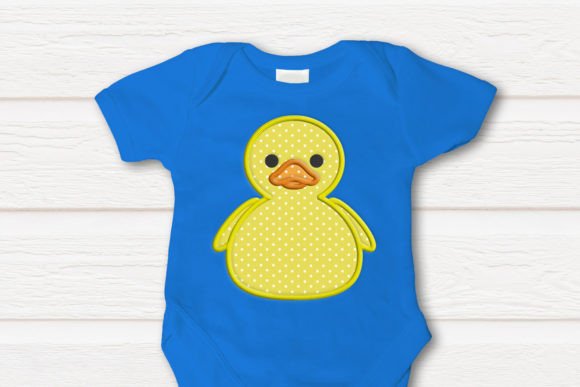
This design immediately caught my eye because it leans into the charm of an applique style rather than relying solely on stitch density. The shape of the duck is clean, and the concept fits perfectly within the broader category of Birds, yet it feels distinct enough to stand out in a crowded nursery market. Before I committed to using this for a client's order, I had to run through a mental checklist of how this embroidery file would behave on real-world materials.
The First Impression: Mood and Visual Personality
The moment you see the layout, the mood is unmistakably playful and nostalgic. This isn't a high-fashion statement piece; it is a design that screams comfort, fun, and childhood innocence. The silhouette of the rubber duck is simple, which is actually a strength here. Complex curves can often get lost in dense satin stitches, but by using an applique design approach, the designer has allowed the fabric itself to provide the bulk of the shape.
I visualized this on a soft, cream-colored onesie right away. The contrast between the bright yellow duck fabric and the neutral background creates a pop of color that is visually satisfying without being overwhelming. It feels like a design that belongs in a boutique setting, not just as a quick gift for a friend. The personality of the duck is cheerful, making it an ideal candidate for personalized gifts where the emotional connection is key. However, if you are aiming for a sleek, modern aesthetic, this might feel a bit too whimsical. It has a specific energy that works best when the project is meant to evoke joy and warmth.
Real-World Application: From Tote Bags to Nursery Decor
In my experience testing various machine embroidery designs, the true test is seeing how the design behaves across different product types. For Rubber Duck Front Applique Embroidery, I see immense potential for small business owners and Etsy sellers looking to expand their catalog. Imagine a line of handmade kitchen towels featuring this duck alongside other bath-themed items. The applique technique adds a tactile dimension that flat embroidery often lacks, giving the final product a higher perceived value.
I also envision this working beautifully on custom apparel like sweatshirts or hoodies. The added texture from the applique fabric layer gives the garment a cozy, layered look that customers love. It transforms a standard plain tee into a unique handmade product. For crafters selling at local fairs, this design is a strong contender for creating embroidered patches or applying them to denim jackets and backpacks. The durability of the applique method means it can withstand the friction of daily wear better than some purely stitched designs.
Beyond clothing, consider its use in home decor. A pillow cover or a tea towel with this motif could be a hit for holiday gifts or baby showers. The versatility allows it to fit seamlessly into themes of cleanliness, playfulness, and relaxation. Whether you are creating a digital mockup for your online store or producing physical goods, this design offers a level of detail that suggests care and attention to craftsmanship.
Where Caution is Required: Fabric and Surface Challenges
While the design is charming, no single machine embroidery design is perfect for every scenario. There are specific situations where Rubber Duck Front Applique Embroidery requires careful consideration. One major factor is the substrate. If you plan to use this on stretchy knit fabrics like thin t-shirts or jersey, you must ensure you are using the correct stabilizer. Without proper support, the weight of the applique fabric and the tension of the stitching could cause the material to pucker or distort.
Texture is another critical element. While the design looks great on smooth cotton or linen, applying it to highly textured fabrics like bouclé or heavy fleece might hide the details of the duck's outline. The edges of the applique need to lay flat to maintain that crisp, professional look. Additionally, be mindful of the size relative to the garment. On very small items, like a cap front or a tiny bib, the proportions might feel off if the design is too large for the available space.
Dense stitch areas can also pose a risk if the underlying fabric is delicate. If the fill stitches are too tight, they might create a stiff spot that feels uncomfortable against a baby's skin. Always inspect the design for excessive density before committing to a production run. Furthermore, if you are planning to wash these items frequently, such as baby clothes or kitchen linens, the stability of the applique edge is paramount. You want to ensure the layers won't separate after multiple cycles in the washing machine.
Impact on Brand Consistency and Customer Trust
For entrepreneurs running a craft business or managing an Etsy shop, the quality of your embroidery directly influences customer trust. A sloppy applique job or a design that looks distorted can ruin the reputation of a brand that prides itself on quality. Rubber Duck Front Applique Embroidery, when executed correctly, elevates the perceived value of the item. It signals to the buyer that this is a premium, thoughtfully designed product.
The visual appeal of a well-executed applique design draws the eye and encourages engagement. Customers are more likely to purchase a custom apparel item that features a unique, textured element compared to a standard printed or stitched graphic. This distinction helps your products stand out in a saturated market. When buyers see that you have taken the time to select a high-quality design and execute it properly, they are more willing to pay a higher price point.
However, this also means you cannot cut corners. Using the wrong thread colors or failing to press the fabric properly can make even the best design look amateurish. The goal is to create a finished product that looks as good in person as it does in your photos. This consistency builds a loyal customer base that returns for future purchases.
Practical Designer Notes for Success
Before you start stitching, there are several technical steps you must take to ensure success. First and foremost, test the design on scrap fabric that matches your final project material. This allows you to check the thread color contrast and see how the applique fabric interacts with the base cloth under your specific lighting conditions. A yellow duck on white might look vibrant, but on a light blue background, the contrast might be too subtle.
Review the stitch density carefully. Since this is an applique design, the placement of the satin stitch border is crucial. It needs to be tight enough to secure the fabric edge but loose enough to avoid puckering. Confirm the recommended hoop size for the design to ensure it fits your project area without hitting the edges of the hoop frame. If the design includes small details, inspect them closely to ensure they will stitch clearly on your chosen fabric.
Don't forget to test your stabilizer choice. For applique work, a tear-away or cut-away stabilizer is often necessary depending on the fabric weight. Also, verify whether the design works for both personal and commercial projects. Many designers sell files with specific licensing terms, so confirm you have the right to sell finished items made with this digital embroidery file.
Finally, compare light and dark fabric backgrounds using printable mockups before you invest in production. Seeing the design in black and white can help you assess the balance of the shapes and the overall composition. By following these practical steps, you can confidently integrate Rubber Duck Front Applique Embroidery into your portfolio, knowing it will deliver the professional results your clients expect.